27 October 2026 Valentina Cenedese
Journal of Experiences
Listening to people’s experiences reveals new perspectives for brands and for the shopping experience in the cycling world
A window into the experiences of cyclists
What guides people when choosing a bicycle, a component, or an accessory? What experiences, expectations, and relationships influence their decisions?
To find answers to these questions, we have given a platform to the voices of those who live the cycling lifestyle—people with diverse passions, habits, and levels of experience.
This is the foundation for the new TSW Observatory dedicated to the cycling sector: a research initiative that begins with people’s needs and behaviors, helping companies in the industry design experiences that better align with user expectations.
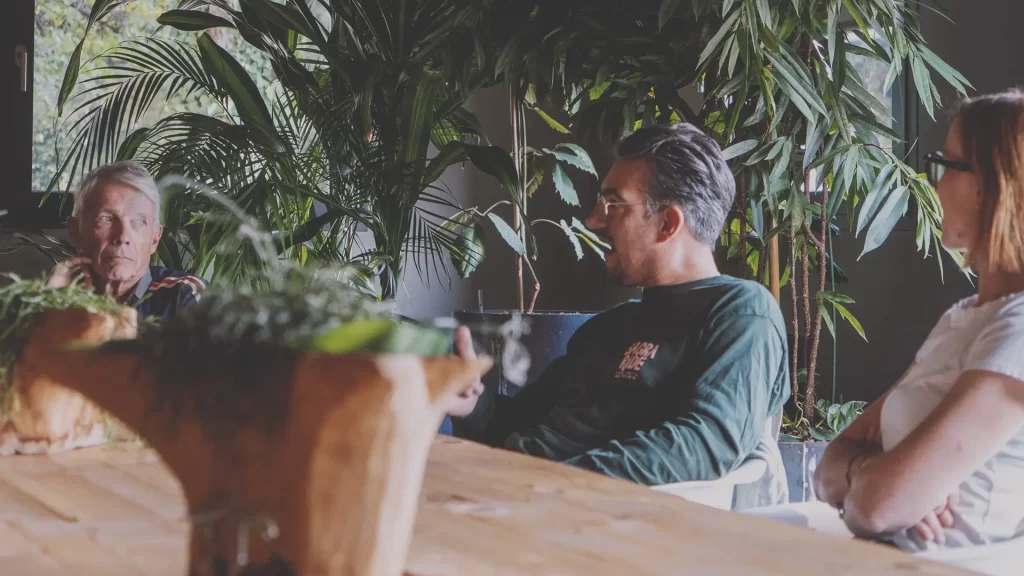
On October 7, 2026, we welcomed five individuals—varying in age and their personal relationship with cycling—to our space for a focus group centered on their experiences and decision-making processes. We also opened this listening session to companies in the sector, offering them the chance to observe in real-time and gain insight into the perspectives of those who choose and use their products.
The discussion revealed stories, motivations, and perceptions that allow us to view the world of cycling from a different angle—one that focuses not merely on products and their technical features, but on the people who experience them.
Beyond performance: when a product gains value
Lightness, materials, technological innovation, performance. In the cycling world, technical features occupy an important place in brand communication. But how much can they tell the story of the value people really place on a product?
During the focus group, we heard experiences that show how much perceived value is linked to personal experience and the possibility of concretely recognizing a benefit.
At the same time, it emerged how the ability to evaluate a product changes with experience. Those who have been cycling for many years develop different knowledge and sensitivities than those who have approached this world more recently.
This brings us to a reflection: to make the value of a product recognizable, it is not enough to simply tell what it knows how to do. People need to be helped to understand what benefit it can bring to their experience.
For brands, it means rethinking the way they present innovations, make information accessible, and create opportunities to learn about and experience products.
Information, advice and evidence: trust comes from relationships
How do you get to choose a new bike? And what makes a really compelling piece of advice?
Listening to participants, we explored paths of choice that span digital and physical environments, combining different sources and references.
There are those who search for information through videos and online content, those who consult search engines and artificial intelligence tools, those who compare themselves with other cyclists, and those who rely on their trusted mechanic.
This last figure has emerged as an important reference: a person who knows the habits, skills, and needs of those in front of them, and who can help evaluate a product by going beyond its technical characteristics.
Trust, therefore, depends not only on the amount of information available, but also on the quality of the relationships and experiences that accompany the choice.
For companies, this means looking at the shopping experience in its entirety. A clear site, useful content, competent advice, and the ability to experiment with a product can help, in different ways, make a decision easier and more informed.
The question then becomes: how well are these contact points designed to respond to people’s real needs?
Listening reveals new opportunities for cycling brands
Our Cycling Observatory has allowed us to observe how different the ways of living the same passion are.
Personal motivations, experiences accumulated over time, expectations and needs that do not always emerge from traditional market analyses coexist behind the choice of a bicycle, component or accessory.
For brands, understanding these differences can open up new possibilities:
- Make product value more understandable by connecting features and innovations to the benefits people can recognize in their experience.
- Accompany choices more carefully, offering information, content and opportunities for discussion consistent with different needs and levels of expertise.
- Take care of relationships, valuing touchpoints and people who help build trust over time.
These are some of the perspectives that emerged from this first moment of listening. Not definitive answers, but insights to explore further to better understand what makes a truly useful and enjoyable shopping and choosing experience.
The focus group represents a stage in a broader journey. Through the Observatory, we will continue to explore the cycling world, listening and observing people to learn more about their behaviors and expectations.
Because it is precisely from the encounter between people’s and companies’ perspectives that new opportunities can arise to design better experiences.
What if the next Observatory started from your idea?
We are always looking for new perspectives to explore. Write to us and share with us a theme that you find interesting for your industry.