28 July 2026 Valentina Cenedese
Journal of Experiences
How engaging people in research helps brands understand their experiences and design more relevant experiences
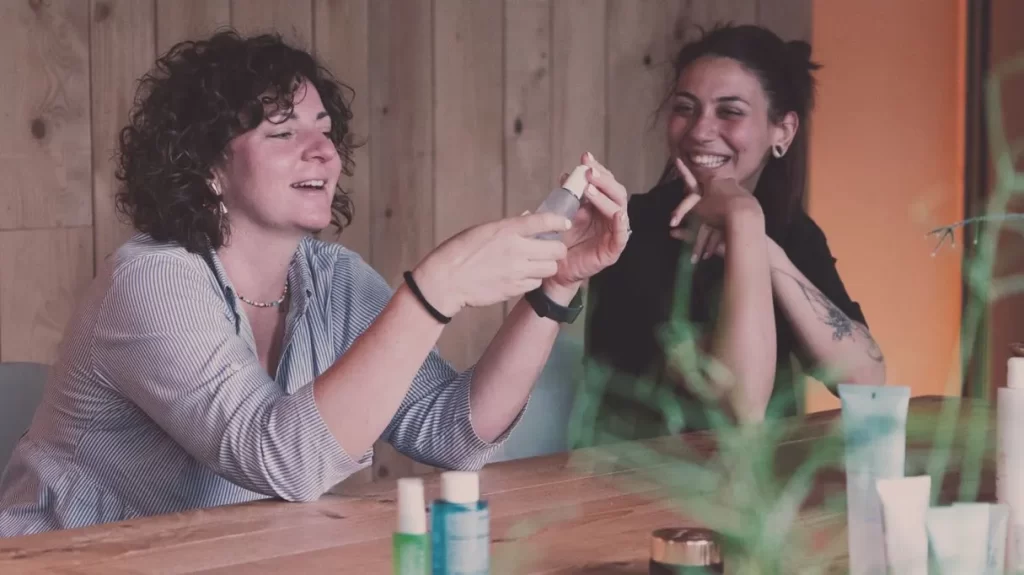
When researching people’s consumer choices, there’s a profound difference between gathering simple answers and truly understanding what drives behavior. This is where the TSW Research Observatory comes in: an activity we periodically launch in various sectors to investigate people’s real needs, experiences, fears, expectations, and decision-making criteria, with the aim of transforming these insights into concrete recommendations for the design of experiences, touchpoints, and brand services.
In the personal care sector, and particularly in the cosmeceutical and nutraceutical world, this depth is even more important. Indeed, we’re talking about choices that almost never arise from simple curiosity about the product, but from a combination of perceived needs, trials, frustrations, verification, and the search for trust. Among the Observatory’s various activities, we organized a focus group on these topics on July 21st in the TSW laboratories.
The value of focus groups: discussion
A focus group isn’t just a moment of listening. It’s a space where meaning emerges from the relationships between people: from the stories they share, from the experiences they confirm or contradict, from the details that emerge when someone recognizes themselves in another’s experience. Through discussion, the most precious value this activity provides emerges.
While other tools help measure, classify, or validate, focus groups allow us to observe how meaning is constructed around a need, a brand, a user experience, or a product promise. And this is essential when effectively designing an omnichannel experience.
In skincare decision-making processes, for example, decisions don’t occur at a single touchpoint and aren’t guided by a single actor. Search engines, in-depth videos, social media, reviews, e-commerce, pharmacists, dermatologists, packaging, first-hand experience, and, increasingly, even AI tools come into play. Looking only at one touchpoint means missing the overall logic by which people reduce uncertainty.
Focus groups help bring this to light: in a shared dynamic, through genuine discussion, people talk and clarify not only what they do, but why they do it, what they fear, what they consider credible, where they perceive friction, and which signals truly make a difference.
Not aesthetics, but problem management
One of the clearest aspects that emerged from the focus group dedicated to cosmeceuticals and nutraceuticals is that skincare is seen first and foremost as a response to a concrete need. The desire for a “trendy” product or an aspirational brand per se isn’t dominant; the search for the product “that works for me” is more important.
People start searching when they perceive a disruption in their balance: bags under the eyes, persistent impurities, blemishes, dehydrated skin, intolerable textures, products no longer consistent with the season or their lifestyle. Therefore, the purchase often stems from a need or a change, not an impulse.
This radically shifts the way brands should approach the relationship with the consumer. If the starting point is a problem to be managed, then informational, commercial, and service touchpoints must help steer, not just promote.
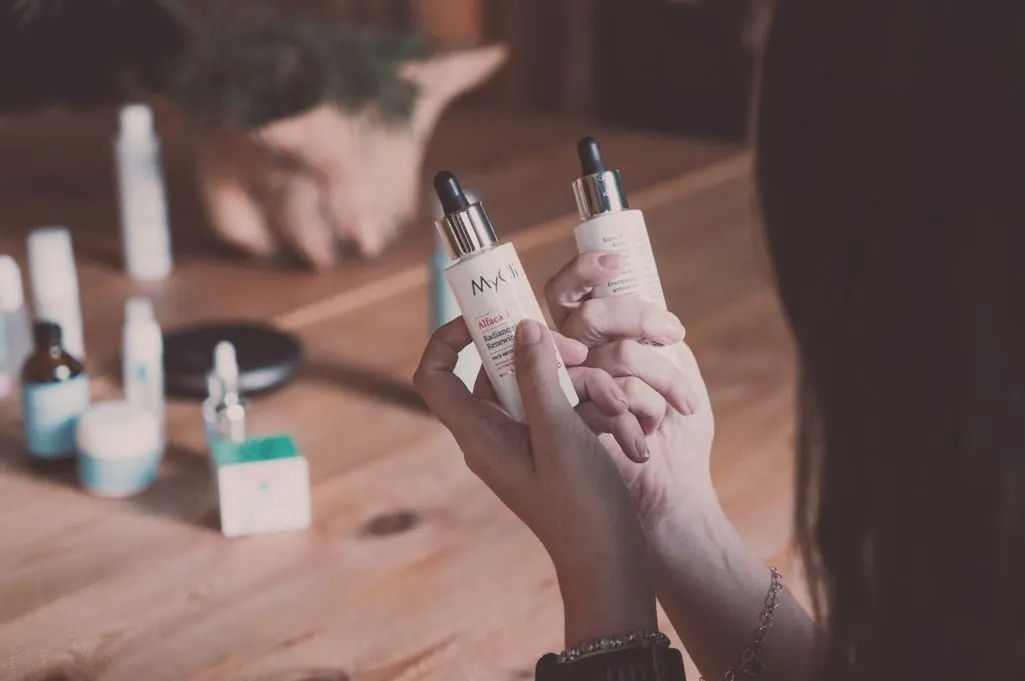
A hybrid and non-linear informational customer journey
The focus group clearly demonstrated how hybrid the customer journey is today. People gather information from different sources, compare it, seek confirmation, look at reviews, evaluate ingredients, sometimes rely on AI for an initial screening, and then verify with sources considered more authoritative.
This dynamic has two strategic implications.
The first is that brand perception is formed not only on the official website or in-store, but across a broader ecosystem of content, opinions, interfaces, creators, packaging, and trial options.
The second is that trust does not depend on visibility alone. It depends on the ability to offer credible and consistent signals across different touchpoints: understandable explanations, a sober tone, clarity on ingredients, realistic promises, perceived expertise, and a user experience that meets expectations.
Trust is a result
Among the most significant insights that emerged is the fact that authority is not automatically attributed. It must be built and demonstrated.
People trust more when they find consistency over time, clear explanations, content that is not overly promotional, and a correspondence between promise and result. Conversely, rapid claims, storytelling perceived as contrived, sales pressure, and constant promotions reduce credibility.
For those involved in brand experience and service design, this is a key point: trust is not an abstract element of communication, but a project outcome. It is built through the way content, product testing, consulting, information sheets, packaging, comparison tools, and post-purchase support are organized.
Experience is as important as efficacy
Another key finding is that efficacy alone is not enough. Texture, lightness, practicality, tolerability, and ease of use profoundly impact the final judgment. In other words, the product is also evaluated for the friction it introduces or eliminates in daily routines.
This applies to the product, but also to the service: relevant samples, mini-sizes, more personalized orientation tools, better explanations of the INCI, and more vertical digital media are all signs of a need for a more seamless and accessible experience.
Why research is crucial for designing better touchpoints
The point isn’t just to gather interesting insights. The point is to use them to design better.
Activities like focus groups allow us to identify tensions that often remain invisible in more quantitative data: personalization vs. complexity, effectiveness vs. superficiality, trust vs. information noise, marketing vs. authenticity.
These tensions are valuable because they indicate where to intervene: in content, tone of voice, information architecture, packaging, trial services, consulting models, digital and physical experiences. In this sense, research is not an ancillary activity, but a concrete foundation for building more credible, useful, and relevant brand experiences.
This is precisely the role of the TSW Research Observatory: to open a space for deep understanding that helps companies better understand people and design more effective touchpoints, services, and brand relationships.
In the personal care sector, the message is clear: today, offering a good product isn’t enough. People demand credible guidance, testability, clarity, and accessible customization. And the focus group, when inserted into a broader research path, is one of the most powerful tools for understanding how to truly answer this question.